
The Importance of quality control in the cutting of special steels
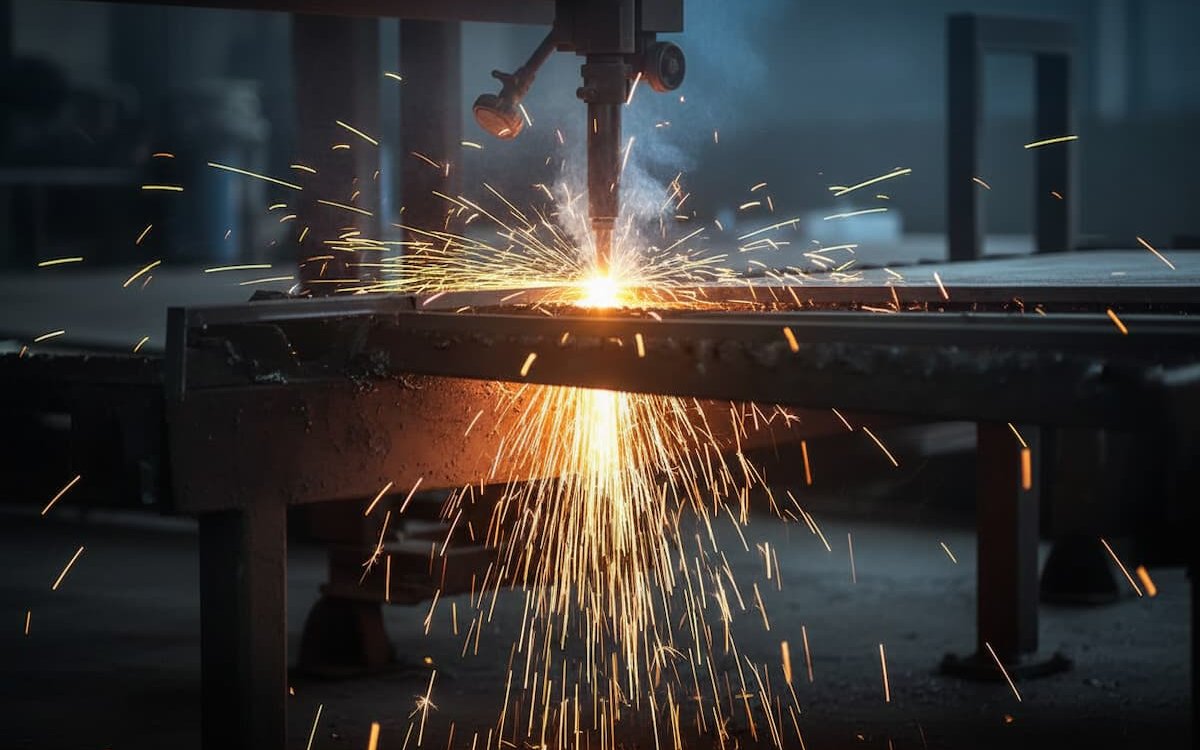
Special steel cutting is an essential part of the metallurgical industry, especially when it comes to medium and high alloy steels. To ensure precise and high-quality results, it is crucial to have adequate quality control at each stage of the process. Whether through oxy-fuel cutting or plasma cutting, quality control ensures that the final products meet the required standards, which in turn improves efficiency and reduces costs.
Why is Quality Control in Special Steel Cutting So Important?
Special steels are high-demand materials due to their particular properties, such as high strength, durability, and the ability to withstand extreme conditions. When cutting these materials, quality control ensures that these characteristics are maintained. An improper cut can affect the integrity of the material and jeopardize the final performance of the product.
What Factors Should Be Controlled in Special Steel Cutting?
There are several fundamental aspects that must be supervised in the special steel cutting process:
- Cutting Precision: Accuracy in dimensions and cutting shapes is crucial to avoid material waste and ensure that the pieces fit correctly in the subsequent manufacturing process.
- Temperature Control: Plasma cutting and oxy-fuel cutting generate high temperatures that, if not properly controlled, can alter the steel's properties, affecting its strength and hardness.
- Surface Finish: The finish should be clean and free of imperfections to ensure the final product's quality, especially if the pieces require high resistance to corrosion or mechanical stresses.
- No Deformations: The cutting process should not generate deformations in the pieces. Internal stresses caused by a poor cut can reduce the quality of the steel and hinder its further processing.
What Are the Most Common Methods for Cutting Special Steels?
The two most common methods for cutting special steels are oxy-fuel cutting and plasma cutting. Both require precise quality control to ensure a proper cut:
Oxy-Fuel Cutting
Oxy-fuel cutting is a process that uses a flame produced by the mixture of oxygen and fuel gas. This method is especially useful for cutting carbon steels and other metallic materials, but it can also be used for special steels. Temperature control and oxygen flow are vital to ensure a clean cut and prevent deformation or alterations in the material's properties.
Plasma Cutting
Plasma cutting uses a stream of ionized gas at high temperatures to melt the material. This method allows for finer and faster cuts, especially in high-alloy steels. However, it requires precise control of cutting speed and temperature to avoid damaging the steel or altering its properties.
What Standards and Regulations Should Be Followed in Quality Control of Special Steel Cutting?
To ensure that the cutting of special steels is of the highest quality, it is essential to comply with various international standards and regulations. These standards include guidelines on cutting precision, material strength, and surface finishes. Some of the most relevant regulations include:
- ISO 9001: An international standard for quality management systems that ensures consistency and quality in production processes, including the cutting of special steels.
- ASTM A36: A specific standard for structural steels, which also covers cutting and finishing requirements.
- EN 10025: A European standard that regulates steel requirements for structural applications, including quality control in cutting processes.
Frequently Asked Questions About Quality Control in Special Steel Cutting
What is quality control in special steel cutting?
Quality control in special steel cutting refers to the supervision and verification of the factors that affect the precision, finish, and material properties during the cutting process, such as temperature, dimensions, and the absence of deformations.
What is the most suitable method for cutting special steels?
Plasma cutting is ideal for high-alloy special steels due to its ability to make fine and fast cuts. Oxy-fuel cutting is also effective, especially for carbon steels, but it requires stricter temperature control.
How is precision ensured in special steel cutting?
Precision is ensured through the use of advanced cutting technologies, such as computer numerical control (CNC) machines, and through the implementation of continuous quality control to monitor critical process parameters like cutting speed and temperature.
Do You Need Accurate and High-Quality Cutting for Your Special Steels?
At our company, we specialize in cutting medium and high alloy special steels, ensuring that each cut meets the highest quality standards. If you need more information or would like to start a project with us, contact us today and discover how we can help you achieve exceptional results.


