
Types of Steel: Classifications and Key Properties
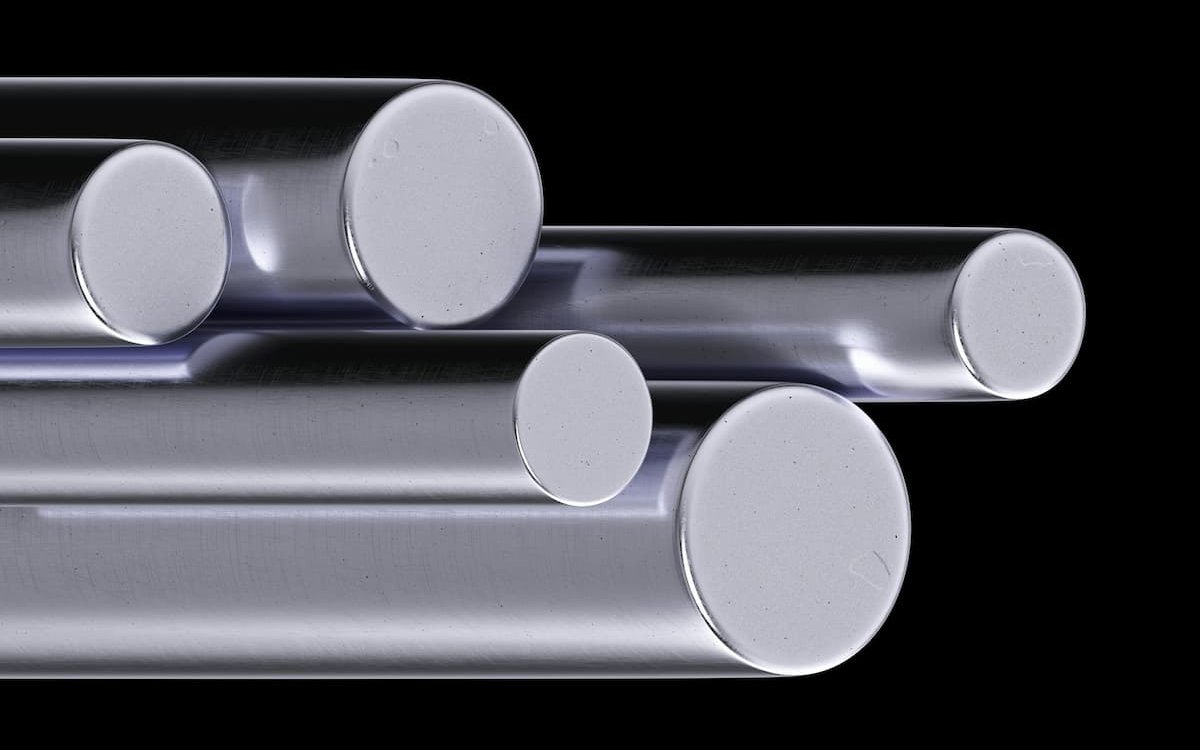
Steel is one of the most widely used materials in the industry due to its strength, durability, and adaptability. In sectors such as machinery, energy, construction, or transportation, choosing the right type of steel is essential to ensure safe and efficient results. At Equus Gespro, we work with special medium- and high-alloy steels and perform precise cuts using oxy-fuel cutting and plasma cutting. To help you make informed decisions, we have gathered here the main classifications and characteristics of steels.
If you have doubts about which type of cutting you need, we recommend reading our article on the difference between oxy-fuel cutting and plasma cutting.
How are steels classified?
Steel can be classified according to different criteria. Each classification method helps us better understand its properties, its composition, and how it behaves under mechanical stresses or extreme conditions.
- According to their chemical composition. Based on the amount of carbon and alloying elements.
- According to their mechanical properties. Strength, hardness, ductility, or yield limit.
- According to their final use. Construction, tools, machinery, automotive, or heavy boiler-making.
- According to the UNE-EN 10020:2001 standard. Groups steels into three main families and defines their alloying content.
Understanding these categories is important to select the right steel for thermal cutting processes such as oxy-fuel cutting or plasma cutting, as each alloy reacts differently to heat.
Classification of steel alloys
When we talk about alloys, we refer to the mixture of iron with different elements that provide specific properties. These elements may include chromium, nickel, molybdenum, vanadium, manganese, or silicon, among others. Depending on their proportion, steels can be divided into three main groups:
1. Carbon steels
These are the most common. Their composition is based on iron and carbon, with small quantities of manganese, silicon, or phosphorus. Depending on the percentage of carbon, they are classified into:
- Low-carbon steels (less than 0.25%). Malleable and easy to cut. Used in structures and simple-shaped parts.
- Medium-carbon steels (0.25–0.60%). More resistant. Used in gears, shafts, or mechanical parts subjected to stress.
- High-carbon steels (more than 0.60%). Very hard and wear-resistant. Ideal for tools, springs, or cutting components.
Carbon steels generally perform well in oxy-fuel cutting, especially in high thicknesses. Their behavior under temperature is stable and allows clean cuts.
2. Low-alloy steels
They include small amounts of elements such as chromium, nickel, molybdenum, or vanadium, usually below 5%. These alloys improve mechanical strength and toughness.
They are common in:
- Structures subjected to heavy loads.
- Industrial machinery parts.
- Components for energy and transportation.
Many of these steels can be cut by both oxy-fuel and plasma cutting, depending on their exact composition.
3. High-alloy steels
They contain a high percentage of elements such as chromium or nickel. The best known are stainless steels. They stand out for their resistance to corrosion, oxidation, and extreme temperatures.
They are commonly used in:
- Chemical industry.
- Food industry.
- Naval and renewable energy sectors.
For these steels, plasma cutting is especially recommended, as oxy-fuel cutting is not suitable due to their behavior against oxidation.
Steel classification according to UNE-EN 10020:2001
The UNE-EN 10020:2001 standard establishes a clear classification based on their composition and properties. It is a common reference in the industry and in the supply of steel products. According to this standard, steels are divided into three major groups:
Non-alloy steels
These are steels whose content of alloying elements does not exceed the limits set by the standard. They are used for general manufacturing, structures, boiler-making, or parts where demand is not extreme. Their cutting by oxy-fuel is very efficient even in large thicknesses.
Alloy steels
They exceed the limits of elements such as manganese, chromium, or nickel. Thanks to these alloys, they improve their resistance to wear, hardness, or thermal behavior. Many of them are suitable for plasma cutting due to their response to heat.
High-alloy steels
They contain at least 5% alloying elements. Here we find stainless steels and other special steels designed for extreme conditions. Due to their composition, they require cutting techniques such as high-definition plasma to achieve clean and precise edges.
Practical examples of steel types used in industrial cutting
In Equus Gespro's daily work, we encounter a wide variety of steels. These are some common examples and their applications:
| Type of steel | Characteristics | Common applications | Recommended cutting method |
|---|---|---|---|
| S275 / S355 | Non-alloy structural steels | Metal structures, supports, boiler-making | Oxy-fuel and plasma |
| 42CrMo4 | Alloy steels with chromium and molybdenum | Shafts, gears, mechanical parts | Plasma |
| AISI 304 / 316 | Highly alloyed stainless steels | Food, chemical, naval sectors | Plasma |
| Hardox / wear-resistant steels | Highly resistant to wear and impact | Blades, hoppers, heavy machinery | Plasma |
Which type of steel is best for oxy-fuel or plasma cutting?
The choice depends on the steel composition and the project's objective:
- Oxy-fuel cutting: best for non-alloy and carbon steels. Ideal for medium and high thicknesses.
- Plasma cutting: recommended for alloyed and highly alloyed steels, stainless steels, and high-hardness materials.
If you are unsure which steel you need, it is common to consider mechanical strength, hardness, weldability, and the required finish.
Frequently asked questions
Which steel cuts best with oxy-fuel?
Carbon steels and most non-alloy steels. Their composition allows controlled oxidation that produces clean cuts.
What thicknesses are ideal for plasma cutting?
It works very well on thin and medium thicknesses, but can also handle thicker materials with the right equipment.
Can stainless steels be cut with oxy-fuel?
No. Their chromium content prevents the necessary oxidation. The recommended method is plasma cutting.
Which steel is the most resistant?
It depends on the alloy. High-alloy and wear-resistant steels usually offer the best performance against impact and abrasion.
Do you need special steel cutting? Contact us
At Equus Gespro we carry out oxy-fuel and plasma cutting work on medium- and high-alloy special steels. If you need advice or a quote, we can help you. Tell us about your project and we will guide you toward the best solution.


