
Which gases are used in oxy-fuel cutting and why do they matter?
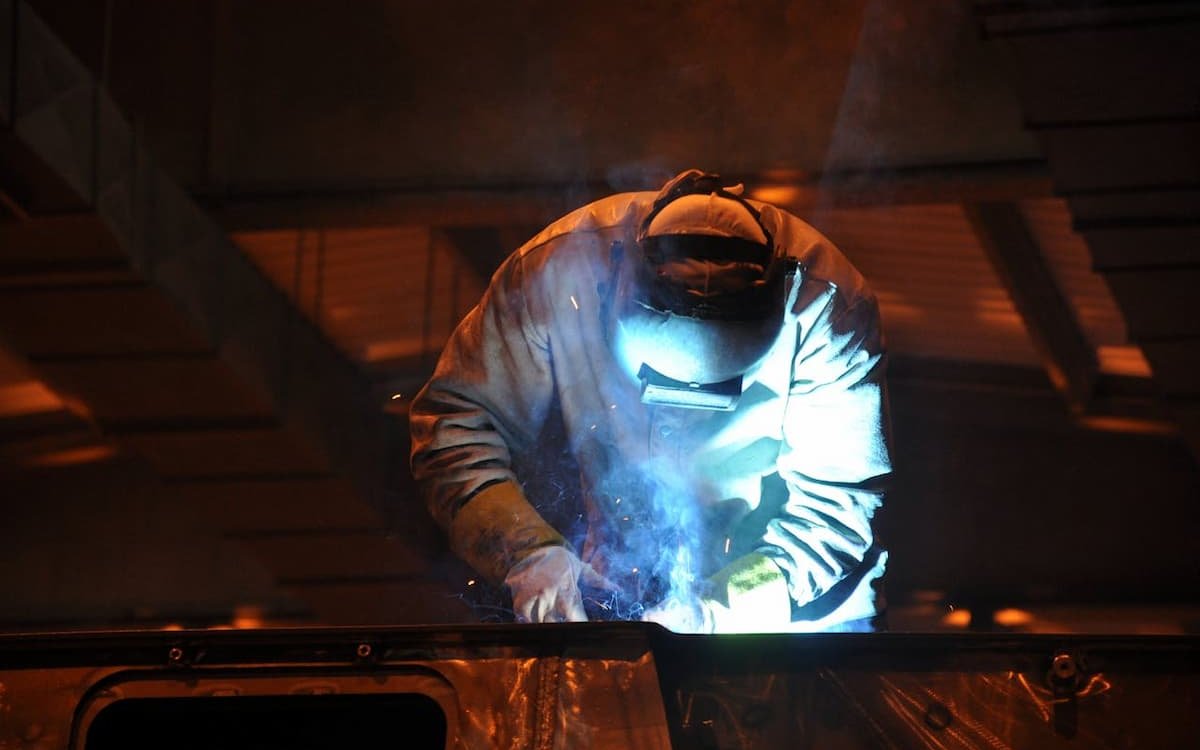
At Equus Barcelona, we work every day with medium and high alloy special steels. When the project allows it, oxy-fuel cutting remains a precise, cost-effective, and fast solution for thick metal plates. The choice of gas is crucial — it determines cutting speed, edge quality, and process stability. In this guide, we explain which gases are used in oxy-fuel cutting and how each one affects the final result of your parts.
Oxy-fuel cutting in a nutshell: heat, oxidation, and removal
Oxy-fuel cutting combines a preheating flame with a jet of pure oxygen. First, the steel surface is heated to ignition temperature; then, the oxygen reacts with the iron and forms oxides that are blown away by the gas jet pressure. That’s why oxygen is the key player, while the fuel gas simply prepares the path.
Oxygen: purity and pressure make the difference
High-purity oxygen is essential for clean, efficient cutting. The purer the oxygen, the stronger the reaction and the cleaner the kerf. In production, we typically use oxygen above 99.5% purity and adjust pressure depending on thickness and nozzle type. Too much pressure causes slag; too little won’t remove the molten oxides. Regulating flow precisely ensures straight edges and prevents overheating.
Most common fuel gases for oxy-fuel cutting
The fuel gas provides the preheating flame, but not all fuels behave the same. Flame temperature, stability, and cost per meter of cut can vary significantly. Here are the most commonly used gases:
- Acetylene (C₂H₂): very hot and concentrated flame. It allows fast starts and minimal distortion. It’s the classic choice when maximum reactivity and sharp ignition points are needed — ideal for medium thicknesses and complex geometries.
- Propane (C₃H₈): a slightly cooler flame than acetylene, but very stable and efficient for medium and thick plates. It stands out for its competitive total cost and broader heat distribution, which helps maintain a continuous cut on thicker materials.
- Propylene/enriched mixtures: balance preheating speed and fuel consumption. They typically deliver fast ignition, good linear speed, and clean edges across different thicknesses.
- Natural gas: a practical option for fixed installations with steady supply. Its flame is cooler than acetylene’s, but it’s very cost-efficient and burns cleanly.
Which gas to choose depending on material and thickness?
For carbon steels and low-alloy steels, oxy-fuel cutting works perfectly with propane or propylene for medium and thick sections. Acetylene is ideal when fast preheating, fine details, or repeated ignitions in short production runs are required. For medium- and high-alloy steels, it’s important to consider the content of elements like Cr, Ni, or Mo: the higher the alloy, the lower the cutting speed and quality due to reduced oxidability. In those cases, we adjust parameters (nozzle, speed, oxygen pressure) and select the right fuel gas to balance penetration and stability. If the alloy content is very high — for example, in austenitic stainless steels — we recommend our plasma cutting service, which achieves better edge quality in these grades.
Key parameters you shouldn’t overlook
- Nozzle and distance: the nozzle–flow combination defines the oxygen jet. Keeping a constant distance prevents taper and slag build-up.
- Preheating: each fuel gas has its own “sweet spot.” Too little preheating causes interruptions; too much deforms the edge.
- Cutting speed: too fast = adhered slag; too slow = rough edges and a wide heat-affected zone.
- Purity and cleanliness: clean filters, hoses, and torches ensure consistent cuts and smooth edges.
Safety and supply: part of the total cost
Choosing the right gas also involves logistics. Cylinders, manifolds, or tanks, plant availability, space, and safety requirements all play a role. Acetylene needs specific storage measures, while propane and natural gas are easier to handle in most facilities. At Equus Barcelona, we help you calculate the cost per part considering consumption, cycle times, and waste — not just the price per cubic meter.
How we do it at Equus Barcelona
Our team adjusts the oxygen–fuel balance to the reality of each order: geometries, tolerances, thickness, and steel grade. For medium- and high-alloy special steels, we combine edge preparation, thermal control, and gas selection to guarantee stable cuts and a finish that minimizes rework. Not sure whether to choose oxy-fuel or plasma? We’ll give you honest advice: when the material demands it, we switch to plasma cutting for better edge quality and productivity; when oxy-fuel offers more value, we fine-tune the process to make that difference noticeable in your final cost.
Need to cut special steels? Tell us about your project and we’ll recommend the best process and gas combination for your needs.
If you’re already comparing options, visit our oxy-fuel cutting service in Barcelona and request a free quote.


